
Introduction: Why Ergonomics Matters More Than Ever in Modern Sofa Development
Minimalist interior design has gained strong influence in the global home furniture market in recent years. Today’s buyers, interior designers and retailers now expect more than minimalist aesthetics and clean lines; they look for long-lasting ergonomic comfort without losing visual appeal.
At SCIHOME, we believe that high-quality sofa design begins with understanding human behavior. We study how consumers sit, lounge, work, and interact in their living spaces. Comfort and support testing have become a standard part of fabric sofa development. This helps manufacturers reduce product return rates and improve long-term customer satisfaction. As a professional OEM and ODM furniture manufacturer, we integrate ergonomics into every stage of product development. This supports our partners in building competitive furniture product lines.
Understanding Ergonomics in Minimalist Sofa Design
Beyond Appearance: Designing for Human Behavior
Minimalist items usually highlight pure shapes. Still, pure shapes must never ruin actual use.
Ergonomic sofa design analyzes long-term sitting habits. Cushion resilience, armrest heights, and backrest angles directly impact user comfort.
Sofas are used for many different activities in modern homes. Thus, ergonomics helps manufacturers design seating for different body types and daily use needs.
Integrating ergonomic support into modern living room sofa designs effectively enhances customer satisfaction. It also reduces product returns.
Why Comfort Has Become a Competitive Advantage
Today’s customers evaluate sofas based on seating comfort rather than appearance alone.
While minimalist styling may attract attention online, long-term satisfaction depends on factors that customers experience after delivery:
- Cushion support consistency
- Pressure distribution
- Lumbar support
- Seating posture
- Ease of movement
This is particularly important for good-quality fabric sofas, where buyers expect both visual softness and everyday practicality.
Research-driven comfort design helps ensure that sofas remain supportive throughout years of regular use instead of losing shape or performance prematurely.
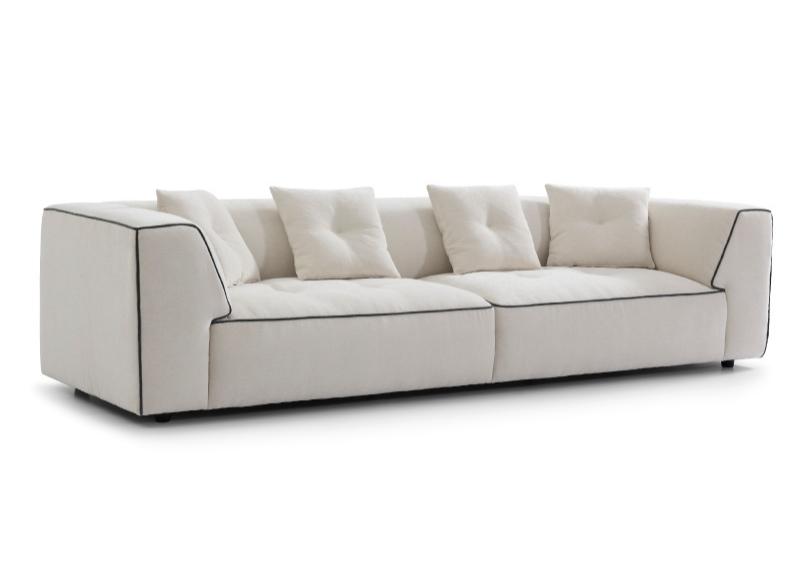
How Ergonomic Research Influences Sofa Construction
Internal Structure Determines Long-Term Comfort
True comfort comes from the internal structure, not just the surface materials.
The comfort that lasts long is attributed to the working of these four elements together. Professional manufacturers focus on these less visible elements since they affect the overall performance of the seat.
When developing OEM and ODM sofa programs, we evaluate:
Sofa Frame Structure
A stable frame creates the foundation for ergonomic performance. High-quality structural materials help maintain seating geometry and prevent deformation during long-term use.
Suspension Systems
Proper suspension distributes weight evenly across the seating area and reduces pressure concentration. Well-designed support systems help users maintain comfortable seating positions for extended periods.
Cushion Technology
Comfort research increasingly focuses on balancing softness and support.
Overly soft cushions feel plush at first, but they lead to poor posture and easy deformation. Excessively firm cushions bring discomfort when sitting for long periods.
The best solutions combine multiple layers of materials. These provide initial softness while maintaining strong structural support underneath. This balanced combination is commonly used in high-end living room fabric sofa collections.
Minimalist Design and Ergonomic Balance
Achieving Comfort Without Visual Bulk
Many believe that comfortable sofas should be large in size. However, this is not always the case.
As modern researches prove, well-calculated proportions allow providing great comfort without making the sofa bulky.
Proportions of seats, inclination of the back rest and foam density may be changed by manufacturers.
Many furniture brands target modern home projects. For them, this balance becomes a strong selling point.
Supporting Modern Living Habits
Today’s consumers use their sofas differently from previous generations.
Remote work, digital entertainment, and flexible lifestyles have increased the amount of time people spend seated in living spaces.
As a result, ergonomic considerations now include:
- Extended sitting duration
- Multi-position lounging
- Device usage posture
- Neck and lower back support
- Adaptability to different household members
These factors influence the design of everything from a contemporary sofa chaise to a complete living room furniture collection.
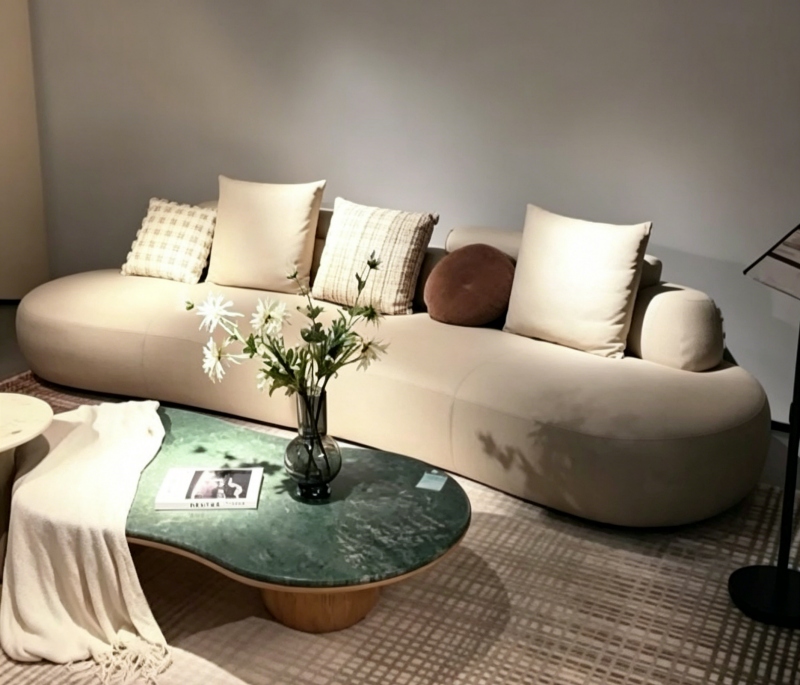
Material Selection and Comfort Performance
Why Fabric Remains a Preferred Choice
Fabric upholstery continues to gain popularity among interior designers and consumers because it provides a balance of comfort, warmth, and design flexibility.
Compared with materials such as leather or PU, fabric provides a softer tactile experience while allowing a wide range of customization options. Advances in textile technology have also improved durability, stain resistance, and long-term performance, making fabric suitable for high-traffic residential environments.
Texture as a Comfort Factor
Comfort is not only physical but also visual.
Minimalist interiors often rely on texture rather than decoration to add visual warmth and depth.
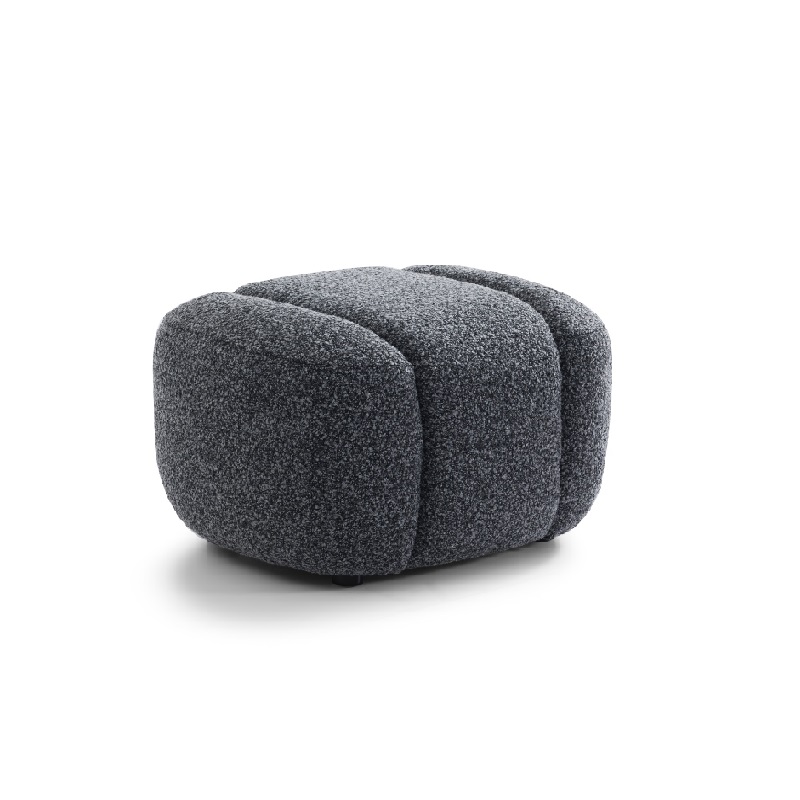
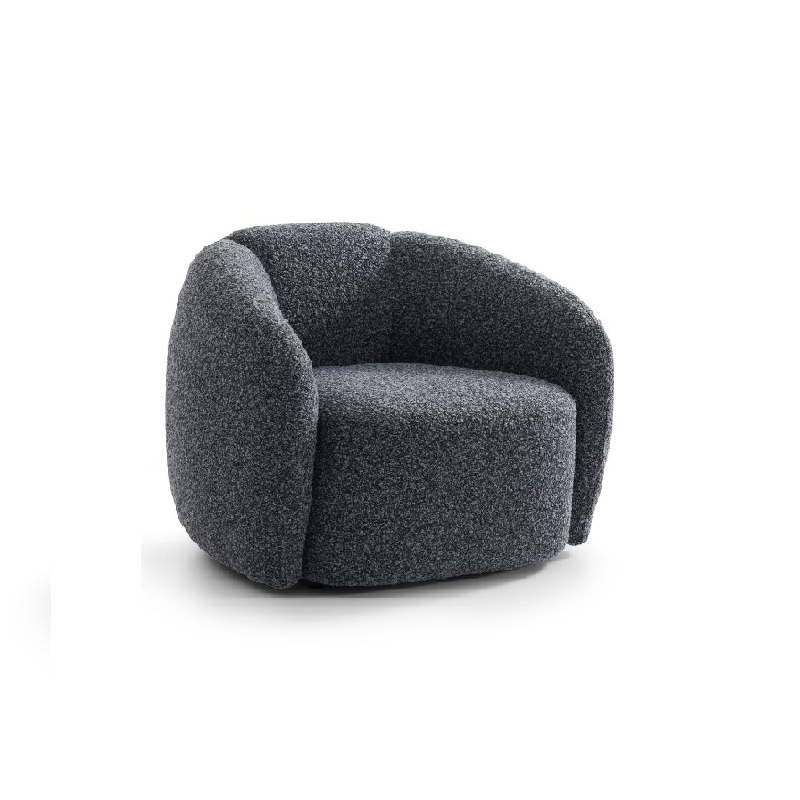
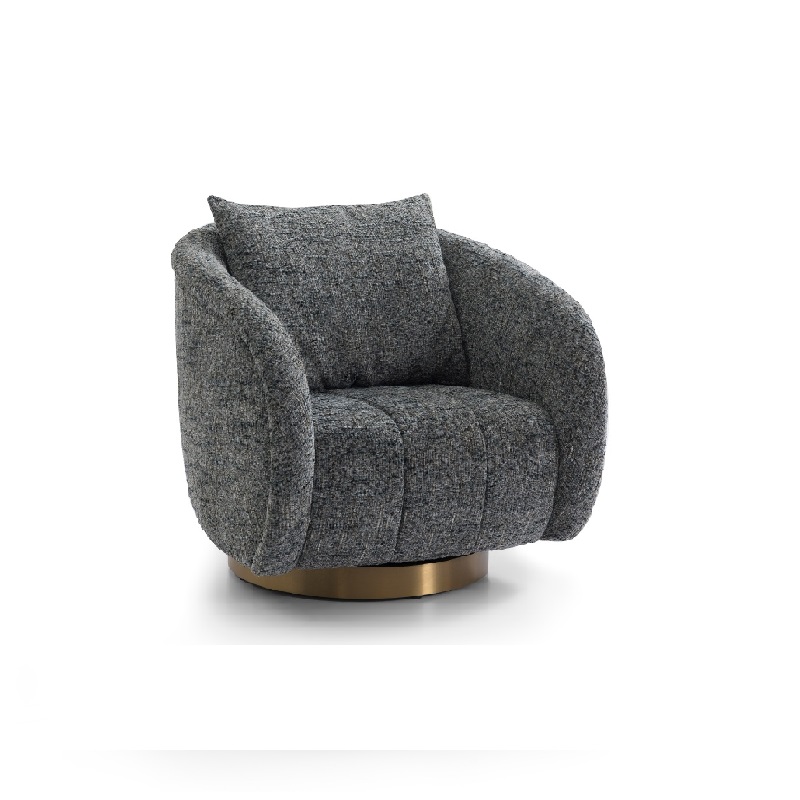
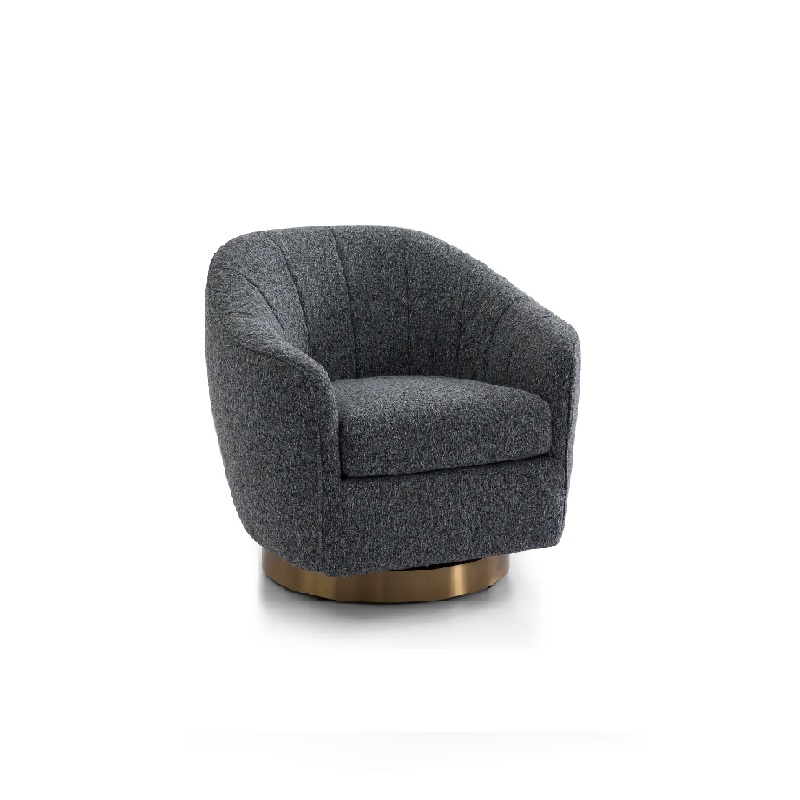
Bouclé, woven fabrics, and chenille textiles help transform simple sofa silhouettes into inviting focal points. These materials support minimalist design principles while improving perceived comfort.
This approach is increasingly seen in modern designer armchair collections and coordinating sofa programs designed for contemporary living environments.
Ergonomic Research in OEM and ODM Development
Data-Driven Product Development
At SCIHOME, our R&D process integrates ergonomic testing throughout product development. Our design and engineering teams continuously evaluate seating trends, consumer behavior, and comfort expectations to improve future collections.
For OEM and ODM partners, this provides several advantages:
- Faster product development cycles
- Reduced design risk
- Improved market acceptance
- Better user experience
- Greater product differentiation
Rather than relying solely on visual trends, furniture brands can build collections supported by measurable comfort benefits.
The Future of Minimalist Sofa Design
Minimalist furniture will continue to evolve beyond appearance-driven design.
The next generation of sofas will increasingly combine:
- Human-centered ergonomics
- Sustainable materials
- Flexible configurations
- Advanced upholstery technologies
- Timeless aesthetics
Furniture brands that integrate comfort research into product development are more likely to achieve long-term success as consumer expectations continue to rise.
For wholesalers, retailers, and furniture importers, sourcing products from experienced OEM and ODM manufacturers can provide access to this evolving expertise while reducing development complexity.
Call to Action: Start Your Next Sofa Project with SCIHOME
Whether you are developing a new living room fabric sofa collection, expanding a modern 3-seater sofa design program, or sourcing a contemporary sofa chaise for your market, ergonomic performance should be a key part of the conversation.
At SCIHOME, we support global furniture brands with OEM and ODM upholstered furniture solutions backed by dedicated R&D resources, manufacturing expertise, and large-scale production capabilities.
Explore our capabilities and discuss your next project with our team:
- Request an instant quotation
- Upload drawings or specifications for evaluation
- Discuss OEM manufacturing requirements
- Explore ODM development opportunities
- Consult our technical and sourcing team
FAQ
Why is ergonomics important for minimalist sofa design?
Ergonomics ensures a sofa remains comfortable during daily use while maintaining a clean and simple design. Proper support, seating angles, and cushion structure improve long-term user satisfaction.
What makes good-quality fabric sofas suitable for modern living rooms?
High-quality fabric sofas combine durable upholstery with strong internal structures. These sofas provide consistent comfort and visual softness, making them suitable for various interior styles.
Can ergonomic features be customized in OEM sofa projects?
Yes. OEM projects allow customization of seat dimensions, cushion firmness, support systems, and upholstery materials to meet specific market requirements.
How can a manufacturer support large-scale furniture programs?
A professional OEM and ODM manufacturer provides product engineering, sourcing, quality control, compliance management, and production capacity to support global furniture programs.