
Choosing the right sofa material is more than just a matter of appearance. It is a crucial business decision for retailers, designers, and hospitality operators. At SCIHOME, an OEM&ODM furniture manufacturer, we understand that both fabric and leather sofas serve different commercial needs. Knowing their advantages, disadvantages, and production details helps companies make informed choices and ensures long-term client satisfaction and product durability. This guide compares fabric and leather sofas, covering material types, durability, comfort and business value for B2B buyers.
Natural and Synthetic Materials: What Makes a Difference?
Fabric Sofas: Comfort and Versatility
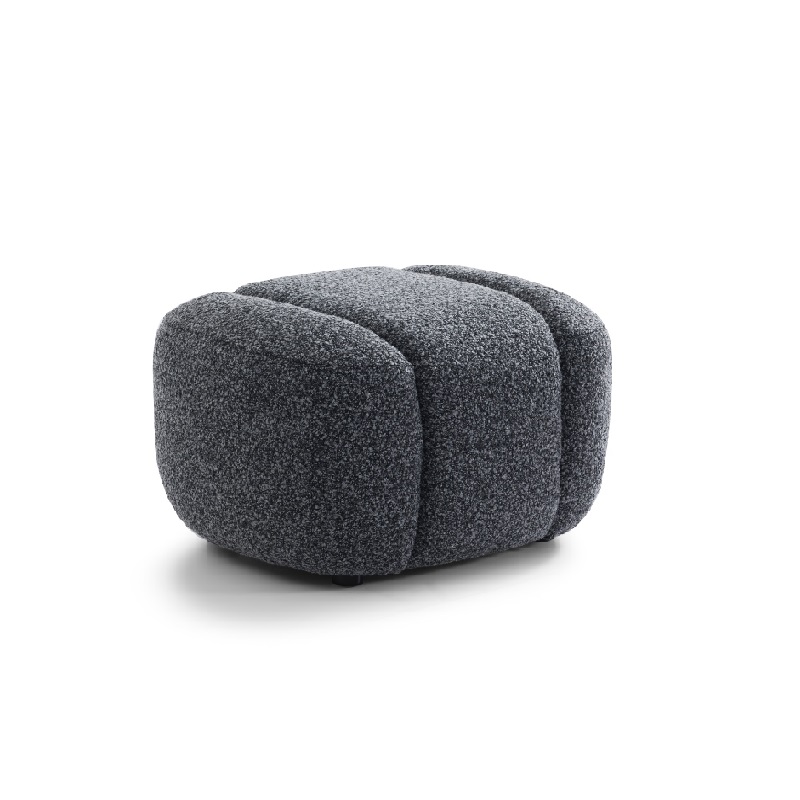
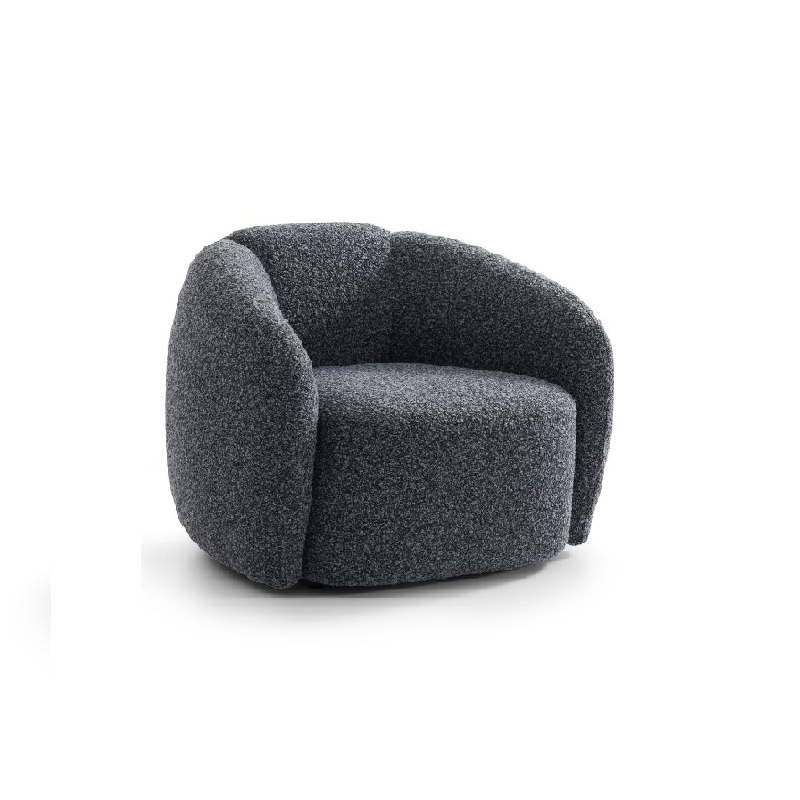
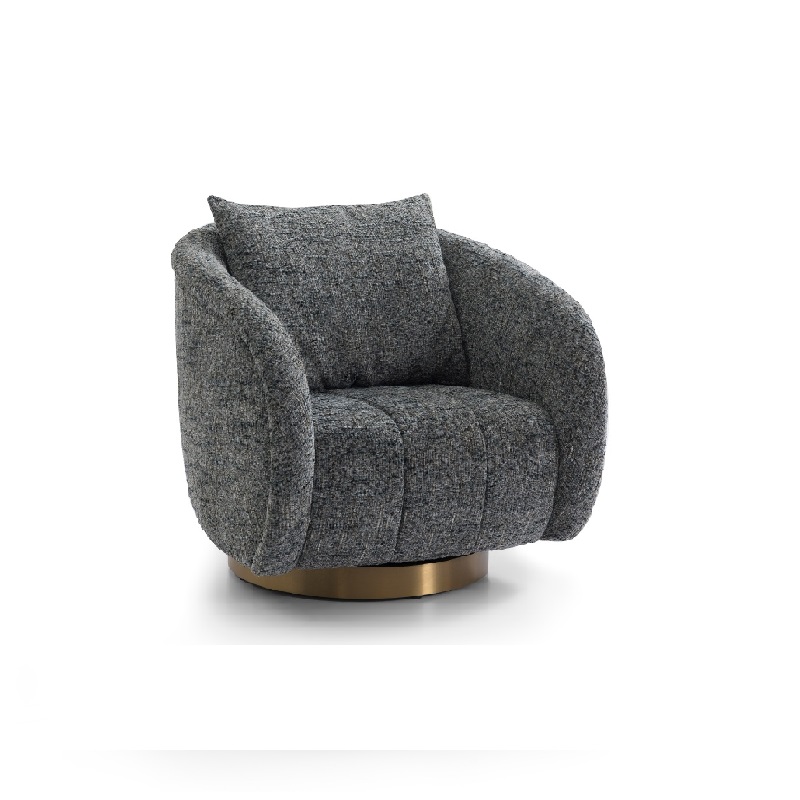
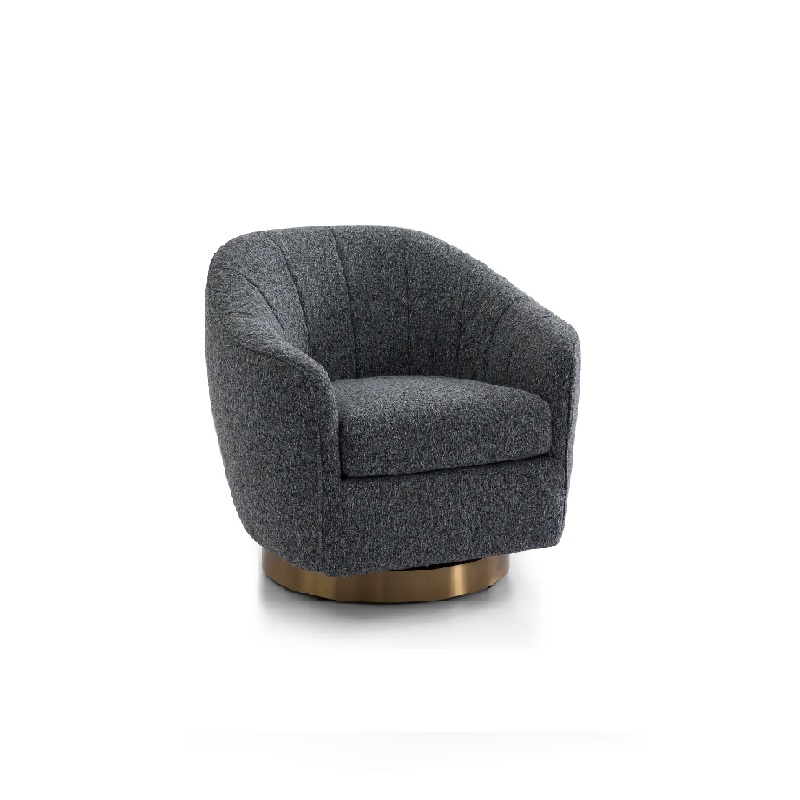
Fabric sofas are constructed from natural or synthetic fibers. Each kind has its own special qualities. Natural fibers such as cotton, linen, and wool deliver softness, excellent breath ability, and gentle warmth. Cotton blends hold up well against pilling and color loss. Wool features built-in defense against stains and creases. Synthetic fibers like polyester, nylon, acrylic, and olefin offer great durability, strong stain protection, and superior colorfastness under sunlight. These fabrics suit busy spaces well. They also fit projects that need long service life.
From a B2B view, fabric offers abundant customization options. Colors, surface feels, and patterns can change to fit brand styles. This quality makes fabric a sound selection for modern contemporary sofas and luxury modern sofa sets in many business settings.
Leather Sofas: Elegance and Durability
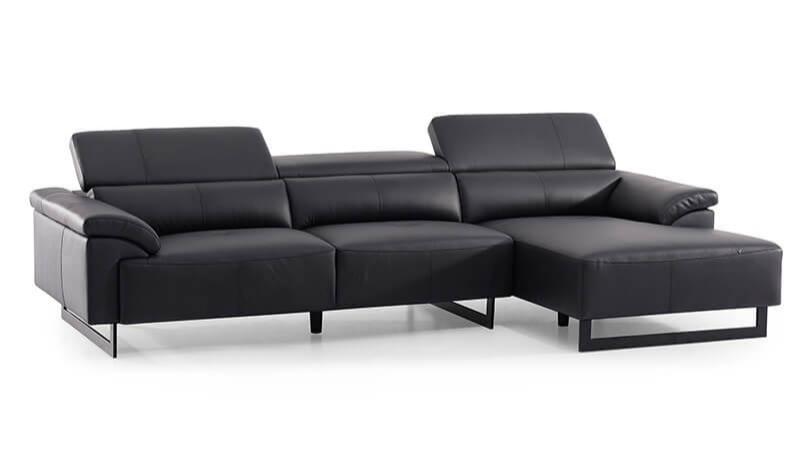
Leather sofas earn respect for their natural grace and solid build. Premium-grade leather withstands everyday wear, scuffs and pet scratches. It keeps a refined look through many years. That said, leather’s tactile properties shift with ambient temperature: it can feel cold in winter and sticky during hot summer months. For B2B buyers sourcing furniture for top hospitality areas or management offices, stylish leather sofas can act as a powerful selling point. However, leather’s higher upfront cost and care needs call for thoughtful review before final purchase.
Comparing Durability and Comfort
Fabric Sofa Advantages
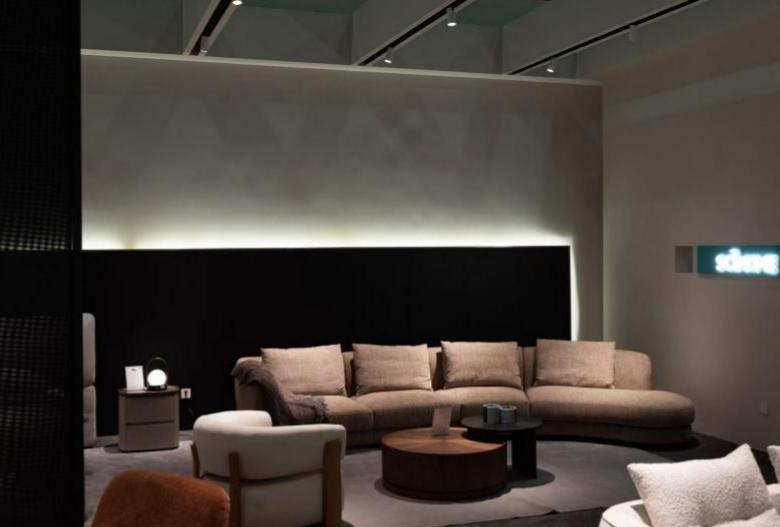
Fabric sofas give natural warmth and a pleasing touch. They hold a steady, friendly character during extended use. High-performance fabrics feature a polyester base paired with foam and feather fillings. This combination produces lasting comfort that stays reliable over time. Fabric sofas also offer a cost-effective option for bulk purchases. At the same time, they permit wide customization to satisfy exact project needs.
Leather Sofa Advantages
Leather supplies real staying power. With proper upkeep, it can remain intact for more than ten years with little loss of quality. Its inherent resistance to stains and unpleasant odors makes it right for hotels and better rental spaces. Leather further creates a sense of higher value. This view often helps sellers gain stronger retail profit levels.
Structural Considerations
Internal build affects product life for both fabric and leather sofas. SCIHOME adheres to consistent manufacturing standards in every piece. We apply solid pinewood and plywood frames, high-resilience foam paired with natural feather layers, and reinforced suspension systems. These components guarantee commercial-grade strength and dependable comfort in all units.
Choosing Between Fabric and Leather for B2B Projects
The choice depends on several practical business elements. High-traffic lounge spaces benefit greatly from cozy fabric sofas due to their comfort and natural warmth. Luxury sites may choose stylish leather sofas for their premium aesthetic appeal. The capacity to manage regular care also shapes decisions. Fabric usually needs only regular cleaning. Leather calls for special conditioning products to preserve its finish. Fabric also offers a wide range of colors, finishes, and modular configurations. These traits make it a common pick for B2B projects that cover several areas or changing plans.
Many commercial buyers look for materials that offer a balance between initial cost and long-term performance. They also consider how well a sofa fits existing interior designs. Fabric provides more design flexibility and allows quick updates to color schemes during rebranding or renovations. This adaptability can reduce future replacement costs and make project planning easier for facility and design teams.
Key Criteria for Fabric Sofa Suppliers
For business purchasers, the task of picking a dependable fabric sofa supplier involves close study of several key points. These cover material origins, production scale, customization range, ongoing R&D, and necessary approvals. FSC-certified timber, OEKO-TEX-compliant fabrics, and makers holding ISO9001 and BSCI credentials all point to responsible and well-managed output. A trusted OEM/ODM manufacturer like SCIHOME can supply modern contemporary sofas, luxury contemporary sofas, and the best fabric sofas for living room projects to markets worldwide.
Buyers should also verify the supplier’s experience in global logistics and compliance with local regulations. Maintaining consistent quality across large orders is essential for chain businesses and large-scale projects. Suppliers that keep detailed records of material sources and manufacturing steps reduce risks and support transparent sustainability reporting. These factors often determine long-term success in competitive B2B furniture procurement.
Fabric vs Leather: Decision Summary for Commercial Clients
| Feature | Fabric Sofas | Leather Sofas |
| Comfort | Warm, soft, versatile | Smooth, firm, may vary with temperature |
| Durability | High with performance fabrics | Very high, long-lasting |
| Maintenance | Moderate, easy stain treatments | Requires conditioning, prone to scratches |
| Cost | Lower; competitive fabric sofa price | Higher initial investment |
| Customization | Extensive patterns, colors, textures | Limited color and texture |
| Ideal Usage | Residential, hospitality, offices | Executive suites, premium lounges |
This table gives a direct comparison of the main differences. It assists B2B decision makers in matching material traits with clear project aims. Many organizations now mix both choices within their product portfolios. They specify fabric sofas for lounge area spaces that see steady activity and leather items in areas that need a more formal style. This combined method often brings the strongest total value and client approval.
B2B Buying Recommendations
Specify fabric sofas for living room projects that face heavy daily traffic or serve family-centered hospitality sites. Choose leather when projects stress luxury, modern sofa set looks, and proven long service life. Modular builds merit notice because they add useful adaptability, especially in commercial locations that include connected zones. Always study a supplier’s OEM&ODM skills, material approval documents, and usual production timetables.
Savvy B2B buyers also weigh total cost of ownership instead of the purchase price by itself. They include expected care, replacement frequency, and final resale value at the close of the product cycle. Suppliers who present clear technical details and sample testing programs reduce doubt. These steps lead to smoother project completion and stronger long-term relationships between buyers and suppliers.
Call to Action
Partner with SCIHOME Today
Take time to look over our complete selection of comfortable fabric sofas and luxury contemporary sofas. With more than 27 years of experience as a leading OEM&ODM furniture manufacturer, we offer several practical benefits to business partners. These cover quick pricing details, expert advice during the planning stage, and dependable worldwide logistics records.
· Instant online quotes: Get a Quote
· Upload design files for custom production: Submit Your Design
Enhance your commercial or residential interiors with high-quality, durable sofas from an expert fabric sofa supplier. Our team is ready to support your next project with solutions designed to meet both functional requirements and design objectives.
FAQ
Which sofa material is best for families with pets?
High-performance fabrics or treated leather can both serve well here. Fabric delivers natural warmth and surfaces that resist marks. Leather provides strong resistance to odors and is easy to clean when spills occur.
How long does it take to produce an OEM sofa?
Our OEM production process is as follows: the designers typically require 5 days to produce product design drawings in accordance with your specifications. Once you have approved these, a further 15 days are required to produce design renderings, create samples and finalise the technical specifications. The lead time for the first order is approximately 45 days.
Can fabric sofas be as durable as leather?
They can indeed. Modern performance fabrics paired with strong foam cushioning and reinforced internal frames often provide wear resistance and everyday comfort that equals or exceeds common leather grades in active settings.
Are modular fabric sofas suitable for commercial projects?
They fit these uses very well. Modular pieces allow changeable layouts, simpler movement through tight spaces, and even distribution of daily wear and tear. These features make them practical selections for hotels, waiting areas, and sizable office buildings.