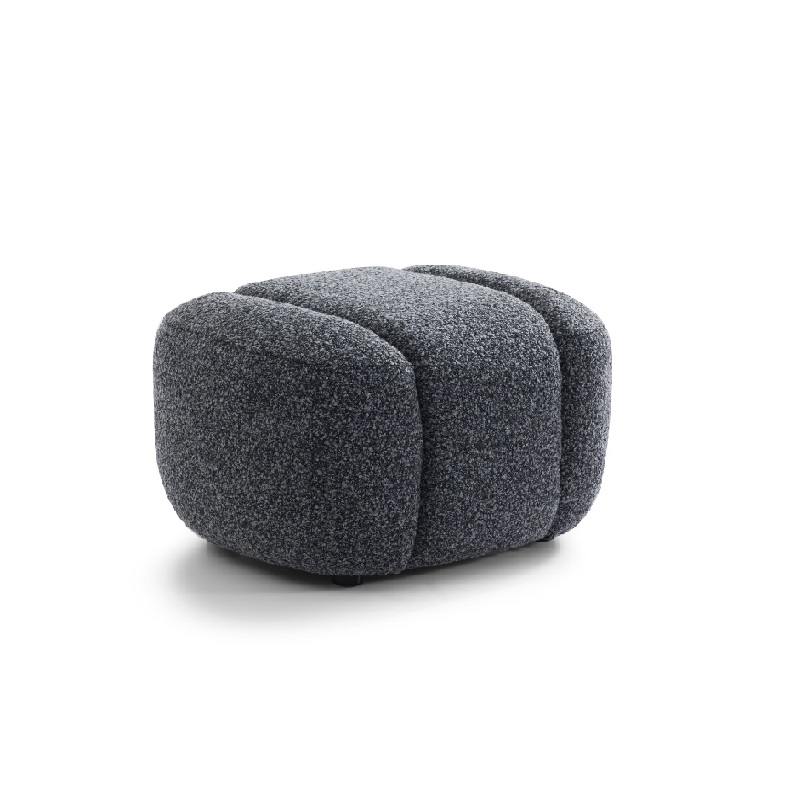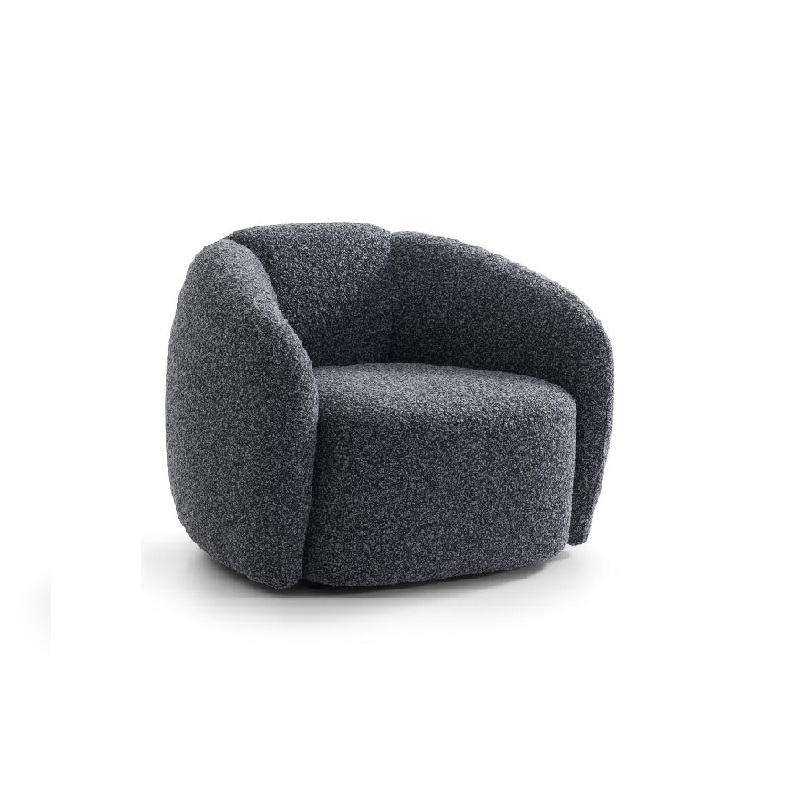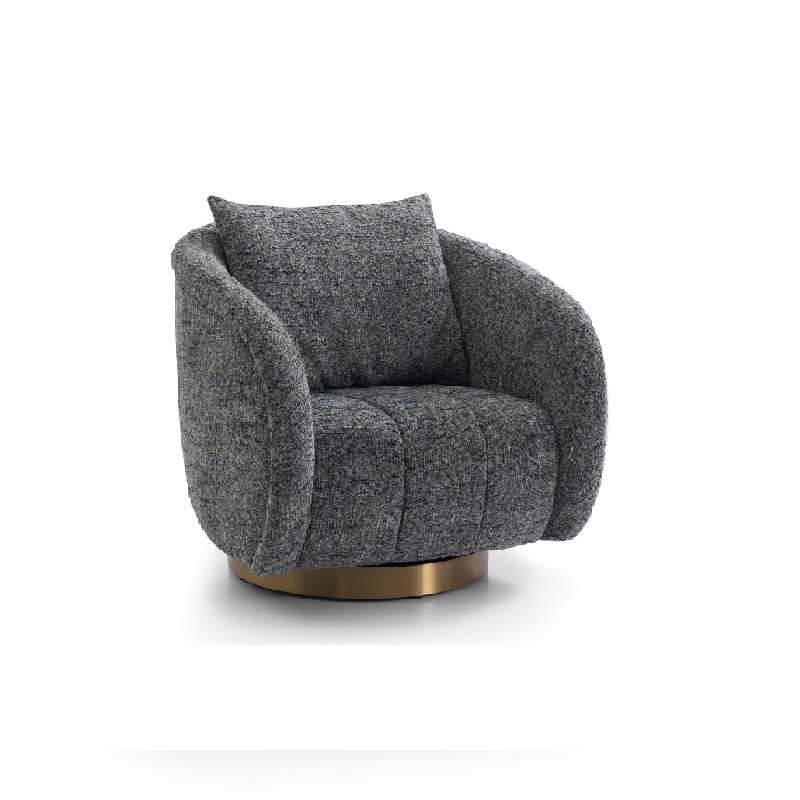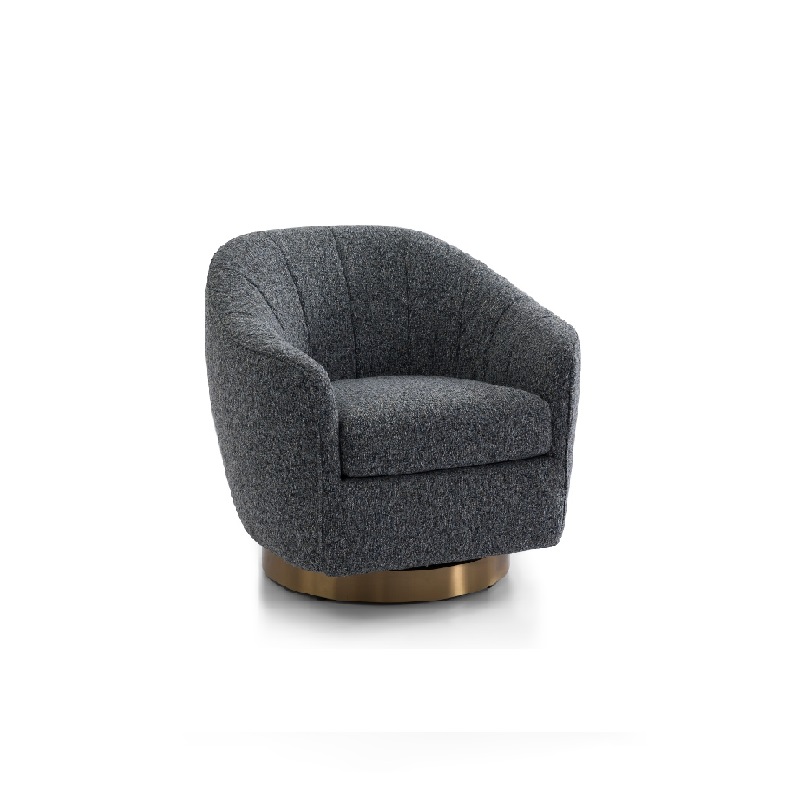
Broad upholstered surfaces make fabric appearance part of the whole collection. Approve the actual cloth and its performance evidence before extending it across a wholesale range.
A fabric complaint can spread beyond one cushion. The retailer needs an answer, the purchasing team must identify the material, and the next order may already specify the same cloth. For wholesale buyers, pilling and fading are therefore questions of range continuity, claims cost, and what sales teams can safely promise.
The useful starting point is a clearly identified fabric and an acceptance level matched to its intended use. A durable fabric sofa needs more than a favorable abrasion number. Pilling, lightfastness, rubbing colorfastness, and batch appearance answer different questions.
This guide connects those checks to supplier selection, SCIHOME sample development, and repeat-order control, so the evidence stays with the material being purchased.
Pilling Concerns Surface Appearance
Small balls of tangled fibers on the surface are a different issue from wearing a hole through the cloth. Ask for the pilling test method, test conditions or cycle count, grading scale, result, and tested fabric identification. A high abrasion count does not establish low pilling.
Fading Concerns Color Change
When a window-facing section becomes paler, review light exposure and the relevant lightfastness evidence. AATCC TM16 methods address colorfastness to light. Check the particular method, exposure conditions, result, and material code rather than accepting a test name as proof of suitability.
Crocking Concerns Dye Transfer
Color transferred to clothing or another surface calls for a different review. AATCC TM8 addresses colorfastness to crocking. Ask whether dry and wet results are relevant to the use and whether the report covers the actual cloth and color. A lightfastness score cannot answer this question.
If new upholstery looks different from the approved sample, investigate batch shade, fabric direction, texture, and lighting before calling it fading. Phone photographs help locate a concern but are an unreliable color-matching standard.
A Report May Describe the Wrong Cloth
A document marked pass is incomplete without the tested material, method, result, and agreed acceptance criteria. Keep the fabric code, color, construction details where available, and relevant report together. Recheck the evidence when the supplier changes the weave, dye, finish, or material source.
A Cutting May Hide the Full Panel Effect
A small swatch cannot show how nap, sheen, and panel direction will look across a broad seat or arm. Review an upholstered section under the lighting relevant to the range. Record accepted visual effects, then retain a labeled physical cutting and sample reference.
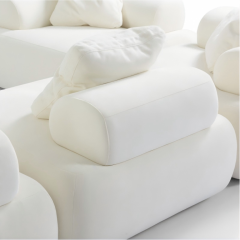
An upholstered arm provides a larger surface for checking texture, direction, and seam appearance. This visual review complements laboratory evidence; it does not replace it.
A Repeat Order May Lose the Original Reference
Without an identified master sample, staff can end up comparing a new batch with a website image or a memory. Agree the shade-comparison conditions, acceptable variation, and approval route for substitutions. Confirm care guidance and the claims procedure before the range reaches stores.
Bring these gaps to SCIHOME during material review. Ask us to identify what is confirmed for the proposed textile, what evidence is available, and what further assessment your market or project requires before approval.
SCIHOME was founded in 1999 and focuses on fabric sofas, upholstered beds, and related furniture. Our company materials identify four production bases and an R&D center with more than 100 designers and engineers, more than 50 new drawings per month, and more than 250 new products per year. We serve brand clients in Japan, Korea, Australia, and the United Kingdom, among other markets. Our profile lists ISO 9001 certification and BSCI assessment credentials; request current documentation and its scope when qualifying the supplier.
Our development process includes drawings, renderings, samples, and final technical specifications. For fabric decisions, the physical sample is the point where the cutting becomes an upholstered surface. It allows your team to review appearance alongside the product rather than accepting a screen rendering as a material standard.
Before selection: send the intended setting, expected contact and light exposure, preferred colors, and required test methods. Ask us which proposed textiles have relevant supporting evidence.
At sample approval: review the broad panels, seams, and fabric direction. Agree the labeled cutting, test references, and care information that belong with the specification.
Before bulk production: request an inspection plan linking material identification and appearance checks to the approved reference. Agree how a changed material or unresolved report affects approval.
For a complaint: provide the model and order identity, fabric code, affected area, exposure and cleaning history, and clear photographs. Ask for an assessment against the specification and applicable warranty terms.
These steps make the fabric discussion actionable. They do not turn every available textile into a tested option for every application: confirmation must follow the selected material and use.
Use the following comparison to decide what to request before approving fabric sofa upholstery. Set acceptance levels with the intended use in mind; a single score cannot stand in for the whole review.
|
Concern |
Evidence to review |
Purchasing decision |
|---|---|---|
|
Surface pills |
Pilling method, conditions, grade, and fabric code |
Does appearance meet the agreed use and acceptance level? |
|
Color fades in light |
Lightfastness method, exposure, result, and tested color |
Is the cloth appropriate for the expected light exposure? |
|
Dye transfers |
Relevant dry and wet crocking results |
Is the material suitable for contact with clothing and adjacent surfaces? |
|
New batch looks different |
Retained cutting, batch identity, and agreed lighting |
Does the appearance meet the approved reference and tolerance? |
|
Cleaning causes concern |
Textile-specific care instructions and incident history |
Is the proposed maintenance guidance supported for this fabric? |
Keep the conclusion with the material record. If a result applies to another textile or leaves the relevant condition untested, the purchasing question remains open.
ODM Fabric Selection on an Existing Sofa
Start with a SCIHOME-developed model and request the fabric or color changes your range needs. Confirm the approved options, minimum quantities, evidence for the actual textile, and whether another upholstered sample is needed. The existing sofa name does not transfer test results from one fabric to another.
OEM Fabric Specification for Your Design
Provide the product brief or drawings, intended market, fabric requirements, care expectations, quantity, and acceptance criteria. Review the textile alongside the construction and seam layout, then sign off the sample and technical specification before bulk approval. Agree any further testing scope and charges during development.
In either route, document the sequence from material shortlist and evidence review to sample approval, specification release, batch checks, and complaint assessment. Any later cloth substitution should return to the relevant approval step.
Retail Chains Need One Defensible Sales Description
Use the same fabric code, approved appearance reference, care guidance, and supported claims across stores. Avoid absolute phrases such as pet-proof or fade-proof unless evidence supports their precise meaning. Ask us to discuss material continuity and substitution approval before planning replenishment.
Hotel and Shared Space Projects Need a Defined Use
State expected use, maintenance, and any fire or other performance requirements before selecting cloth. Abrasion and pilling reports do not establish fire compliance. Request evidence for the relevant textile and construction, and confirm the project’s acceptance requirements separately from company credentials.
Furnished Residential Programs Need Repeatable Appearance
Identify the room types, finish schedule, light exposure, and quantities. Compare a larger upholstered sample under the agreed conditions before applying the cloth across repeated units. For a concern near a bright window, review lightfastness evidence rather than adding an unsupported durability claim.
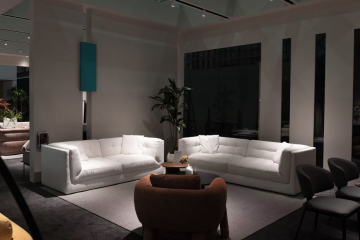
A coordinated seating setting highlights how one fabric decision affects a whole room. Agree the material references for each specified model before approving a repeated furnishing scheme.
Can a High Abrasion Rating Replace a Pilling Test
No. Resistance to wear-through and the appearance of surface pills are different characteristics. Request the relevant pilling result and its conditions before making a low-pilling claim.
What MOQ Applies to a Different Fabric or Color
Ask for the minimum linked to the selected model and textile combination. Send the proposed quantity per color so material availability and commercial terms can be assessed together.
How Does Fabric Selection Affect Lead Time
Material availability, sample approval, and additional evidence requirements can affect the schedule. Request separate dates for material confirmation, sample review, and production. Do not apply a general sofa lead time to an unconfirmed textile.
Does Pilling Automatically Qualify for a Warranty Replacement
The outcome depends on the agreed terms and the incident assessment. Record the material identity and use history, preserve photographs, and follow the claims procedure. Staff should not promise a remedy before the case is reviewed.
Should Retailers Recommend a Fabric Shaver
Follow the care guidance for the actual textile. Do not recommend a shaver or chemical treatment as a universal remedy. Preserve the original evidence and seek model-specific advice before an intervention changes the surface.
Can Replacement Covers Match the Original Years Later
First confirm whether the model has removable covers and whether replacements are available separately. Discuss fitting and color limitations before promising support. New cloth may differ from upholstery that has aged in use.
Reliable upholstered fabric sofa sourcing connects the material identity, relevant evidence, approved appearance, and care guidance. That record supports both the first buying decision and the next conversation about a batch, substitution, or complaint.
Shortlisting materials: request the SCIHOME catalogue and discuss models and fabrics for your intended use.
Preparing approval: send your colors, performance requirements, and quantity per finish. Request a material review and upholstered sample proposal with evidence availability, scope, and fees confirmed.
Planning a retail or project program: contact SCIHOME for a one-to-one quotation discussion covering the fabric specification, production milestones, and inspection and support questions your team needs resolved.