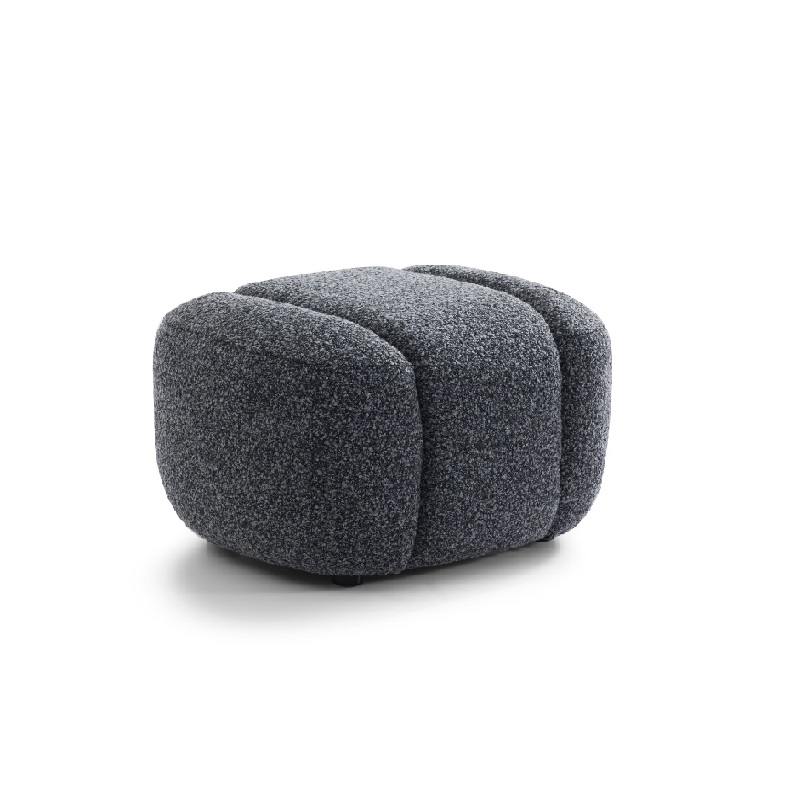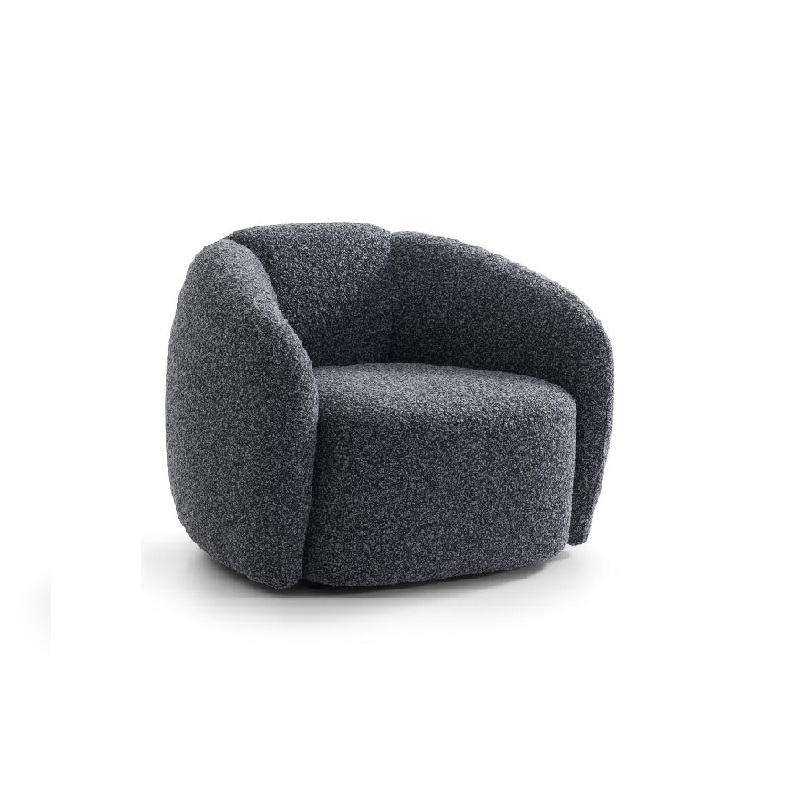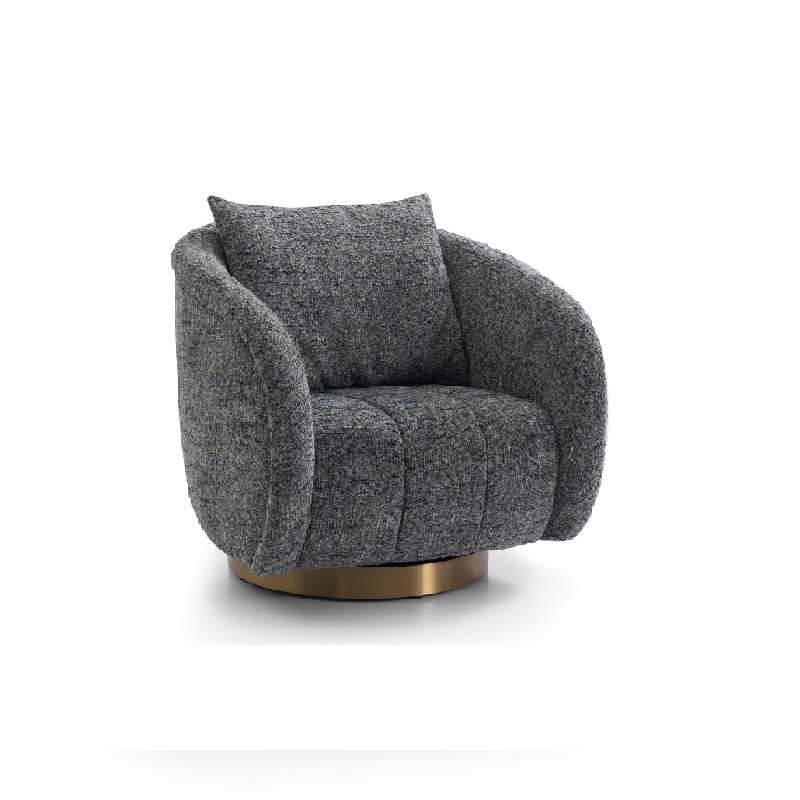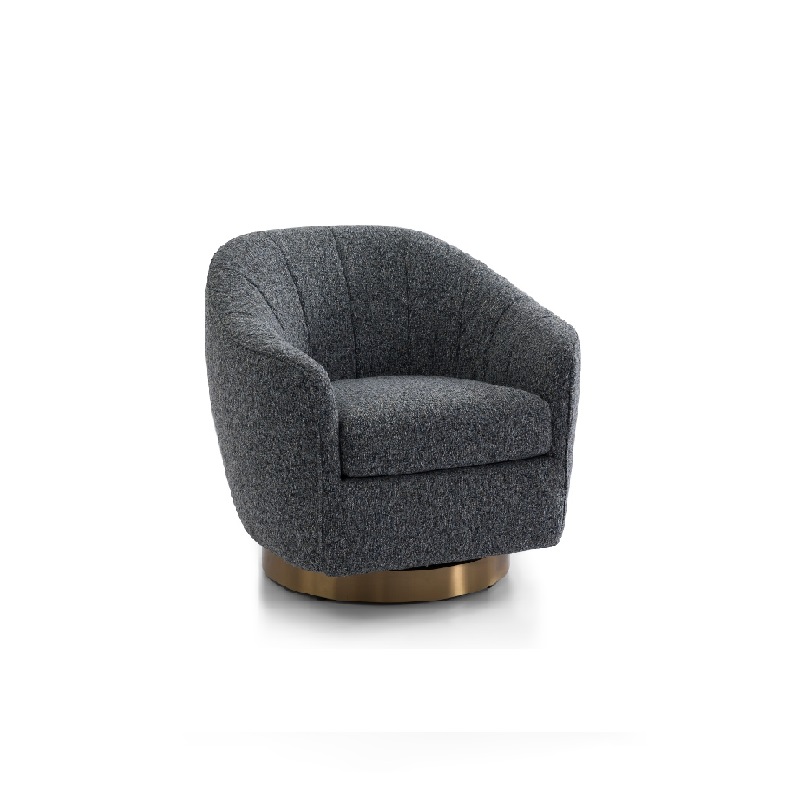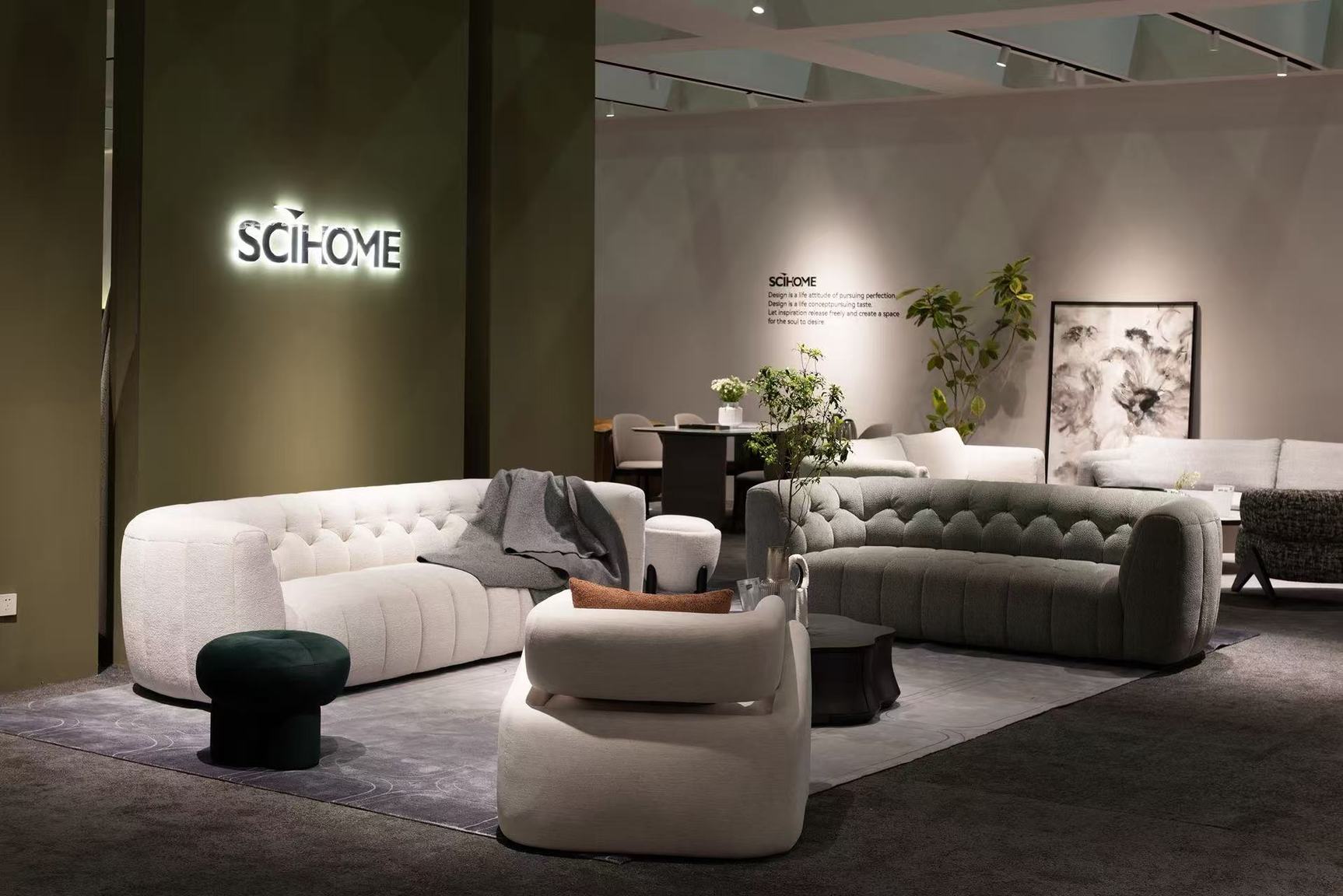
A SCIHOME showroom collection brings different silhouettes and upholstery treatments together. Compare the specified build behind each wholesale figure.
Designer sofa wholesale pricing matters because a collection must preserve both its distinctive appearance and a viable margin. A low opening figure can lose its value when the quoted fabric changes, an omitted finish is added, or the sample needs another revision.
For a buyer developing designer sofas, the first task is to define the product and the commercial target together. State the intended retail price, target purchase cost, quantity by model and finish, and the features customers should recognize. That gives the pricing discussion a purpose beyond reducing the number.
Different quotations are useful only when their assumptions are visible. A broader seat, more demanding seam layout, or different cushion build can explain a price gap even when the catalogue photographs look similar.
Shape and Upholstery Detail
Curves, channels, piping, and panel breaks affect the work needed to produce the intended appearance. A simplified seam may save cost but change the design that attracted the collection team. Identify the features that must stay and the details open to revision.
A larger version also changes more than overall width. Ask whether the frame, cushions, and companion pieces need proportion changes. Quote the actual drawing revision, with both overall and seat dimensions recorded.
Fabric and Cushion Specification
The words grey fabric do not identify a textile. Keep the code, color, composition where available, and approved cutting beside the price. Ask which performance evidence applies to that cloth and whether alternative fabrics alter the quotation or minimum quantity.
For luxury contemporary sofas, cushion feel is part of the product being sold. Specify the fill, support construction, and agreed sitting reference. A line reading foam seat leaves too much open for a reliable comparison.
Frame and Finishing Choices
A broad description such as wood frame cannot establish that two offers contain the same construction. Ask for the agreed frame specification, relevant joints or support details, leg material, and finish. Record which accessories or details are included.
Separate provisional choices from approved ones. An early estimate can help test feasibility, but it should not become the final buying price while core materials remain undecided.
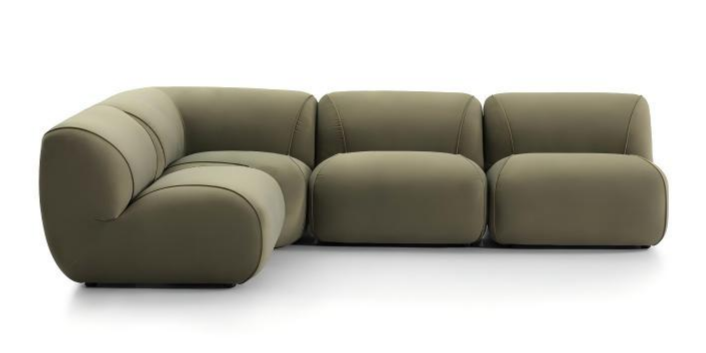
Rounded arms and repeated cushion panels illustrate the details that need to stay visible in the cost review. A change in upholstery construction can change both appearance and price.
Buyers commonly face three gaps: unlike specifications presented as comparable prices, late revisions that miss the margin target, and sample or development charges omitted from the budget. Each needs a written response before the range is approved.
Align the comparison: send the same drawing, fabric reference, cushion brief, and quantity schedule to each supplier. Ask for any departures to be listed beside the offer.
Control revisions: give each drawing and quotation a revision date. If the arm, fabric, or seat build changes, request the revised figure before accepting the sample.
Budget development separately: identify sample charges, testing costs where applicable, revision charges, and any agreed sample credit. An informal promise to discuss credit later is not a confirmed term.
Keep the commercial basis visible: record the currency, price-validity period, payment terms, and tax basis. Confirm the quantity and finish mix on which the price depends.
The point is to preserve the design customers will pay for while removing uncertainty from the offer. Ask SCIHOME to review the cost-sensitive details while the drawing is still open, when alternatives can be evaluated without undoing an accepted sample.
Founded in 1999, SCIHOME manufactures fabric sofas, upholstered beds, and related furniture for the mid-range to premium market. Our company materials identify four production bases, more than 100 designers and engineers, more than 50 new drawings per month, and more than 250 new products per year. Our brand-client experience includes Japan, Korea, Australia, and the United Kingdom. The company profile lists ISO 9001 certification and BSCI assessment credentials; current documentation and scope should form part of supplier qualification.
Our development sequence moves from drawings and renderings to a sample and final technical specifications. This gives your purchasing team a visible reference for what a revised price buys, rather than a number detached from the design.
For example, if the arm profile is essential but the first cloth takes the sofa above target, send us both constraints. Ask us to assess an alternative textile while retaining the agreed profile. Review the actual cutting and sample before accepting the new price: the cheaper combination must still support the collection’s positioning.
For a repeat retail program, request the agreed specification, sample reference, inspection criteria, and procedure for material changes together. Our published scale is a useful starting point for qualification; confirm production availability for your actual order rather than treating it as a reserved slot.
Use this table to find the source of a price difference. It will not make unlike designs identical, but it will show whether the cheaper offer changes an essential feature.
|
Cost driver |
Reference to compare |
Question before approval |
|---|---|---|
|
Shape and size |
Dated drawings, dimensions, and panel layout |
Are both figures for the same silhouette and proportions? |
|
Fabric |
Material code, color, cutting, and relevant evidence |
Is the same cloth included, or is one an alternative? |
|
Cushion and frame |
Fill, support, frame specification, and sitting sample |
Will the quoted build deliver the approved experience? |
|
Legs and details |
Finish schedule, piping, hardware, and accessories |
Has an apparent saving removed a specified item? |
|
Quantity and development |
Units per finish, sample fees, revision scope, and price validity |
Does the figure apply to the proposed buying program? |
Once the references match, your team can decide whether each extra cost earns its place. Keep unresolved differences visible until they are either accepted or priced out.
ODM Begins with a SCIHOME Design
Select an existing factory-developed sofa and identify the changes you need. Fabric, color, size, or finish requests can be assessed against that platform. Ask which changes retain the existing construction and which require further development or a revised sample.
This route suits a retailer testing a category or refreshing a range without starting with a new structure. It does not automatically establish a lower price or a shorter schedule; obtain the quotation for the actual scope.
OEM Begins with Your Product Brief
Provide your drawings or defined design direction, dimensions, material requirements, target cost, market, and quantity. Agree the development scope and ownership terms, then proceed through drawing approval, material review, sample assessment, and final specification.
SCIHOME’s published OEM sofa process indicates about five days for drawings and approximately 15 further days after approval for renderings, sample development, and technical specifications. The first production order is indicated at around 45 days. Confirm these stages for your project; revisions, materials, and approvals affect the workable schedule.
Retailers Building a Repeat Collection
Protect the defining feature and keep the finish count commercially manageable. Request minimum quantities by model and color, a common specification for multiple stores, and a clear repeat-order reference. Discuss the approved alternatives before a material change forces another margin calculation.
Hotel and Shared Space Buyers
Give us the intended use, maintenance expectations, and project standards before requesting a figure. Required material performance or fire testing can change the suitable construction and evaluation scope. Price the compliant proposal being assessed, rather than comparing it with a residential model that has not been qualified for the project.
Residential Developers and Furnishing Programs
Provide unit plans, room quantities, a finish schedule, and the companion furniture brief. Ask for model-level pricing so a saving on one sofa does not obscure a costly change elsewhere in the setting. Confirm dimensions before approving a project-wide specification.
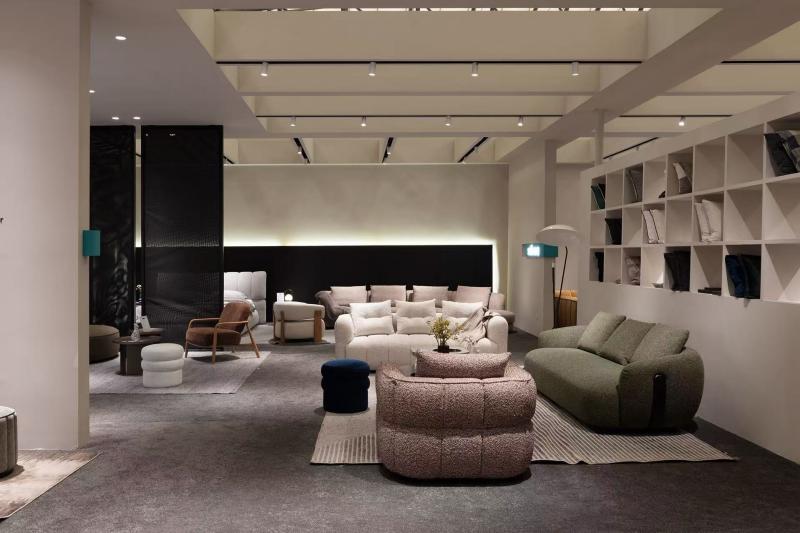
Coordinated sofas, chairs, and tables show why a project quotation should identify each model and finish. A room-set image alone does not define the purchasing scope.
What Is the MOQ for a Wholesale Sofa Quote
Ask for the minimum by model, fabric, and color. Provide the proposed assortment rather than only a total quantity. Different finish mixes can produce different material requirements and commercial terms.
Are Samples Free or Credited Against an Order
Do not assume either arrangement. Confirm the sample price, payment timing, revision allowance, and any credit conditions in writing. Include development costs in your buying budget until an agreed credit applies.
How Can Buyers Reduce Cost Without Losing the Design
Separate essential features from flexible ones. Ask us to assess the fabric, leg finish, or secondary details against the target while retaining the defining silhouette. Approve the revised sample and specification before treating the saving as final.
Does a Factory Certificate Prove a Sofa Meets Hotel Requirements
No. Company management or assessment credentials do not replace evidence for the actual product and use. Request the applicable test method, report, model, and material identification before making a project performance claim.
How Do Markup and Gross Margin Differ
At an illustrative cost of 100 and selling price of 150, markup is 50 percent and gross margin is about 33.3 percent. Use the same tax basis and define which calculation the buying and sales teams are targeting.
Can an Old Price Be Used for a Reorder
Only after checking its validity and reconfirming the specification, currency, quantity, and material availability. A familiar model name does not keep the previous offer open indefinitely.
The useful wholesale figure is the one attached to an identified build and a realistic buying program. For high end sofas, that means protecting the details customers value while agreeing the costs and approval steps behind them.
Building a shortlist: request the SCIHOME catalogue and identify models that fit your target positioning.
Testing a budget: send the drawing or model reference, target purchase cost, quantity per finish, and essential design details. Request a comparison of feasible options.
Preparing to proceed: contact SCIHOME for a one-to-one quotation and drawing or sample proposal with fees, validity, development scope, and production milestones stated clearly.