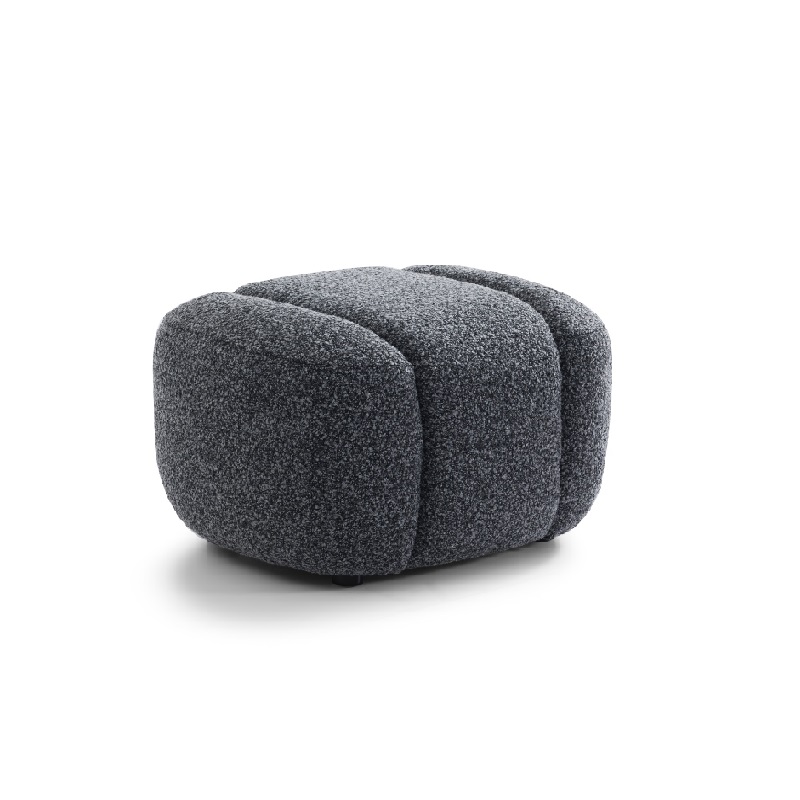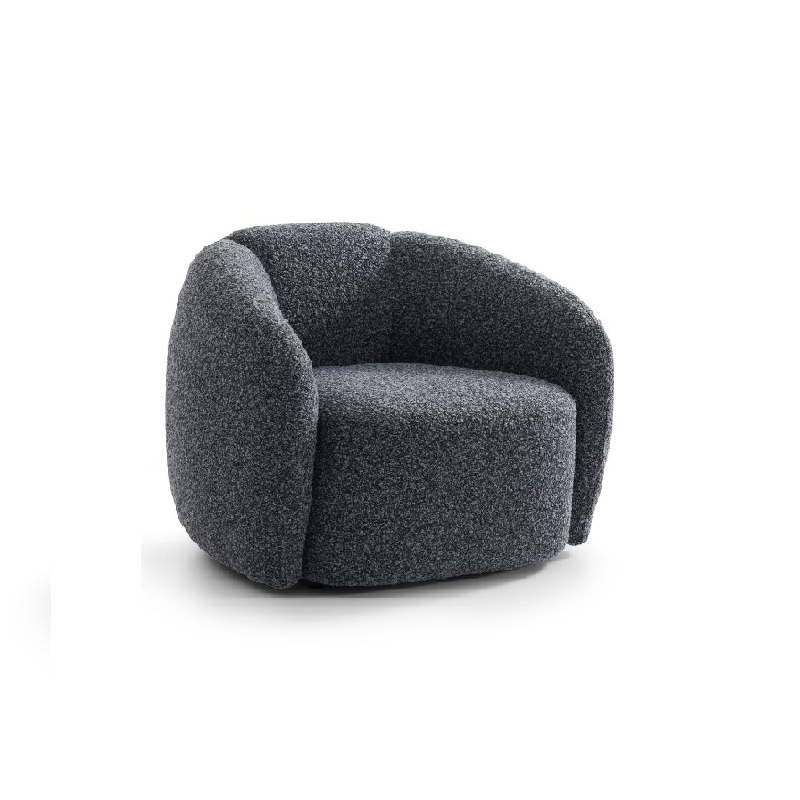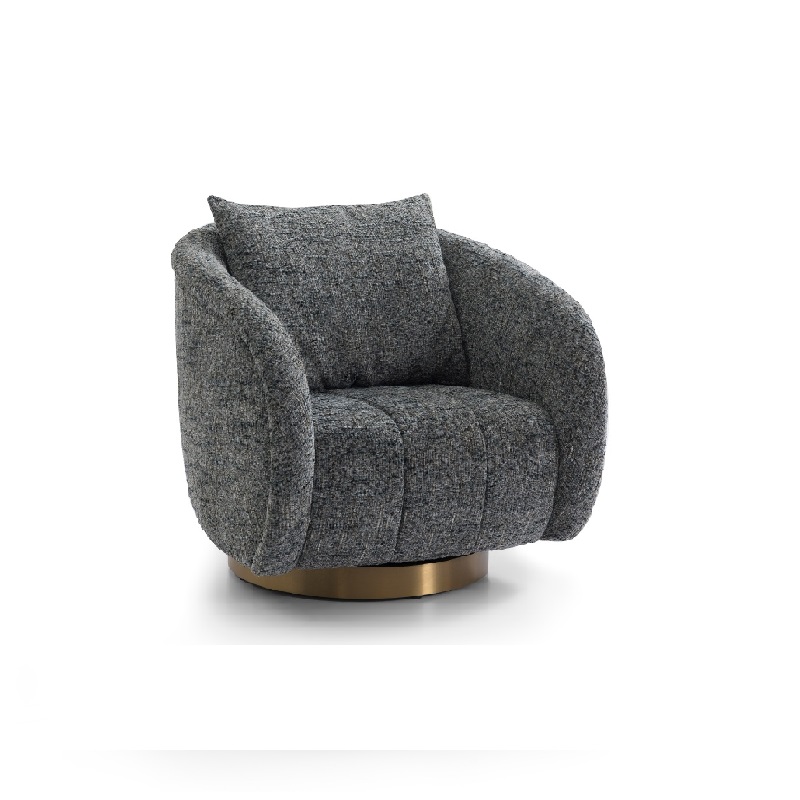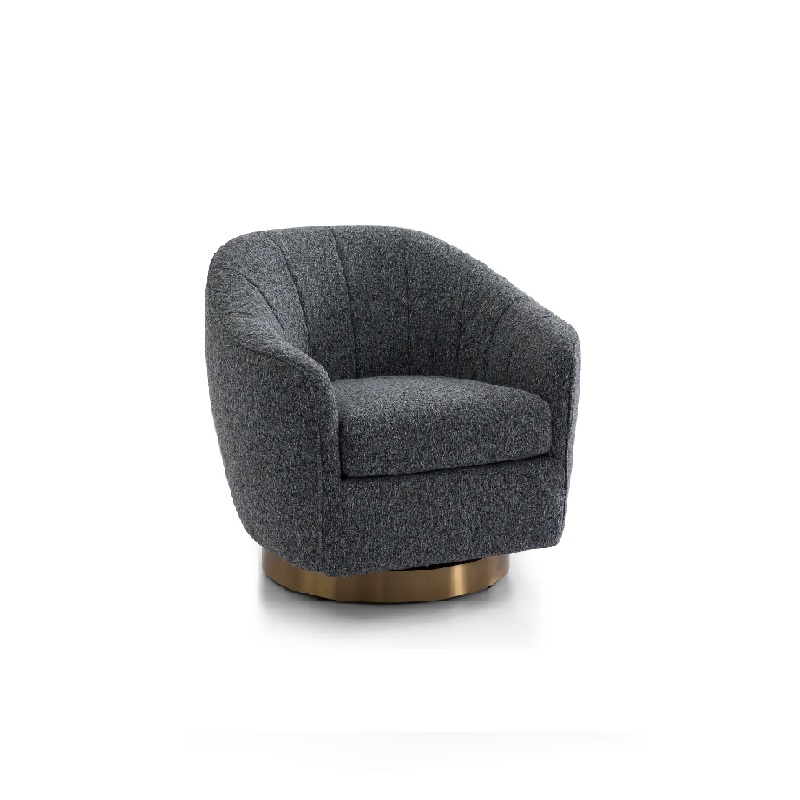
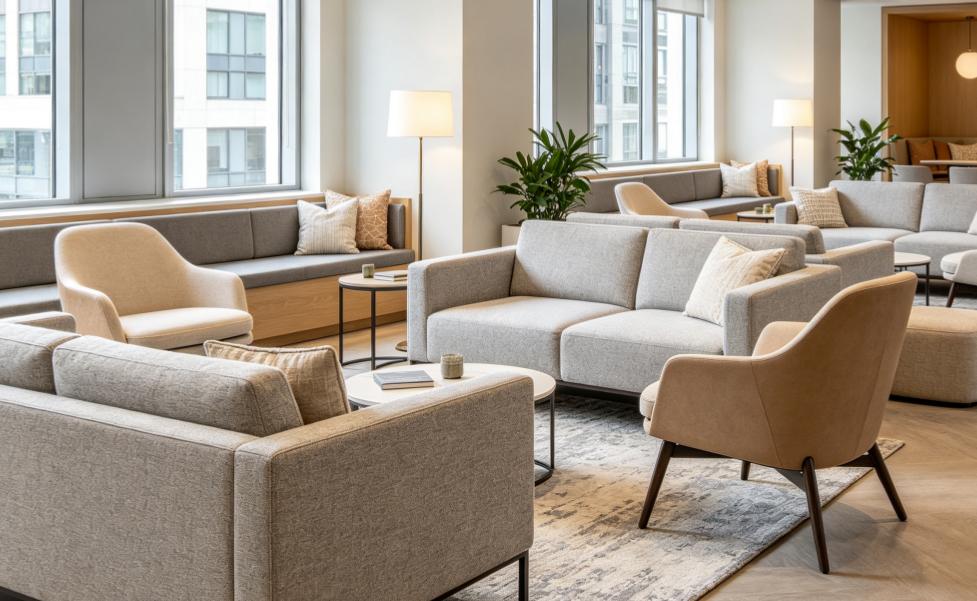
Walk into a well-designed hotel lounge or serviced apartment reception area, and the seating immediately shapes how the space feels and functions. Fabric sofas create comfortable gathering zones, while coordinated chairs give guests flexible places to wait, chat, work, or relax.
For project buyers, however, visual appeal is only the starting point. The selected seating must also suit the space’s foot-traffic levels, support daily operations, and maintain the approved dimensions, upholstery color, cushion feel, and construction quality across every unit. This is why fabric sofas and chairs should be specified as part of a complete commercial seating system rather than chosen as isolated decorative items.
Commercial Seating Starts With the Project Use Case
A seating plan begins with how the space will be used, not with a single attractive product photo. A lobby may need short-stay comfort, while an apartment lounge may need zones for waiting, meetings, and quiet conversation.
Project buyers therefore compare comfort, fabric durability, cleaning expectations, style consistency, and supplier capability together. The right decision helps the interior look intentional and prevents quality deviations after sample approval.
Seating Shapes User Behaviour and Brand Impression
Seating influences how long people stay, where they gather, and how they read the brand behind the space. Deep sofas make a lounge feel generous, while coordinated chairs create smaller use points without fragmenting the room.
Mitigating Consistency Risks for Bulk Orders
Project teams need repeatable dimensions, controlled upholstery tone, stable cushion feel, and clear sample confirmation. If these details change between the approved sample and bulk orders, the finished space can lose the approved design effect.
| Commercial area | Common pain point | Seating requirement |
| Hotel lobby | High guest turnover | Balanced comfort, resilient cushions, coordinated fabric color |
| Apartment lounge | Mixed uses from waiting to informal meetings | Modular sofas with companion chairs and easy layout planning |
| Showroom or sales center | Furniture must support brand perception | Refined silhouettes, consistent stitching, and clear material options |
| Reception area | Small groups need privacy without isolation | Sofas, swivel chairs, and ottomans arranged as flexible zones |
The table shows why commercial seating should be planned as a coordinated furniture system rather than a collection of individual products. Each seating choice should support the room’s intended use, visitor flow, and overall design direction.
Fabric Sofas Add Comfort and Warmth to Commercial Spaces
Fabric sofas soften the room, add tactile comfort, and give designers a broad range of colors and textures. In hotel, lounge, and reception settings, those qualities make the space welcoming without heavy decoration.
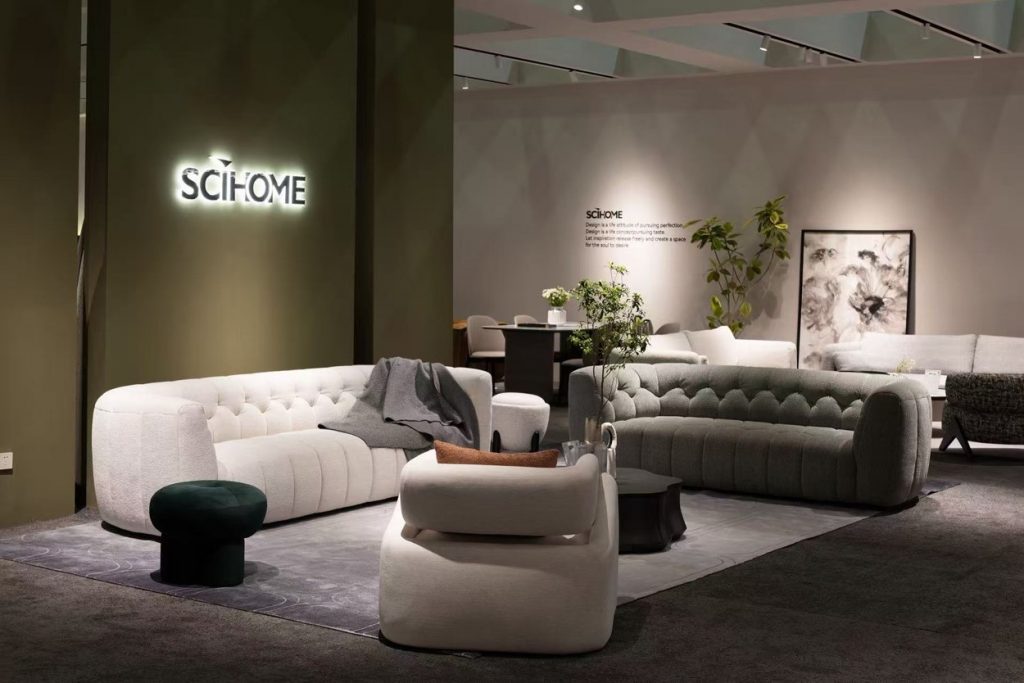
For buyers looking for commercial-grade fabric sofas, SCIHOME offers modular and integrated options with moderate seating comfort, high-density foam or resilient padding, reinforced joints, and solid wood frames. These details give project teams concrete sample-review points.
Comfort Should Match Stay Length
A waiting area may need medium-firm support, while a lounge corner can use softer cushions for conversation. SCIHOME fabric sofa models include moderate seating options and down-blend comfort structures for different room purposes.
Flexible Structures Adapt to Changing Layouts
Commercial layouts often shift between weekdays, events, and peak periods. Modular fabric sofas allow adaptation, while longer integrated sofas create clean lines for spacious public areas.
Chairs Make the Seating Plan More Flexible
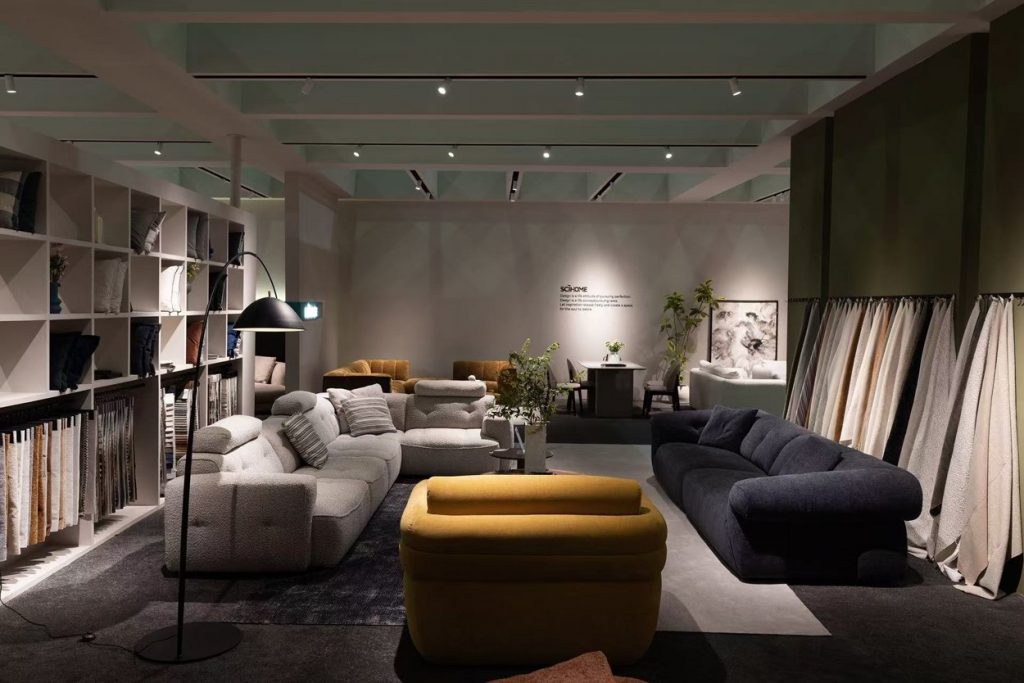
A sofa-only plan can feel heavy and fixed in a commercial room. Accent chairs, armchairs, swivel chairs, ottomans, and benches create smaller points of use, so visitors can wait, talk, read, or rest without occupying the main sofa group.
SCIHOME chair collections support this role with rounded or geometric silhouettes, medium-firm seating, enveloping backrests, stable bases, and fabrics that coordinate with sofa upholstery. The value is curated variety within a unified design language.
When buyers approach coordinated sofa set planning, the useful question is whether the sofa, chair, ottoman, and bench share enough material, scale, and comfort logic to make the room feel intentional.
- Use sofas to define the main waiting or conversation zone.
- Use armchairs to create smaller social points near walls, windows, or tables.
- Use swivel chairs where guests may turn between views, conversations, or reception desks.
- Use ottomans or benches where movable seating can add short-stay flexibility.
This mix keeps the room adaptable while preserving a clear visual system. It helps teams avoid overloading every area with the same seat type.
Project Buyers Should Control Sample-to-Bulk Details
Commercial buyers often start from design renderings, yet risk mitigation is what defines long-term project success. If upholstery color varies, cushion feel changes, or a chair base feels unstable, the finished room will miss the project standard.
Those risks should become selection criteria. Buyers should compare frame structure, cushion composition, fabric options, stitching quality, repeatable dimensions, sample approval steps, and documented quality management.
Material and Comfort Confirmation
A practical project brief should define fabric preferences, comfort level, dimensions, quantities, reference images, and room type. These details help the factory turn design intent into a checkable sample. Once the sample is approved, the confirmed specifications should become the reference for bulk production.
Manufacturing and Quality Control
Maintaining the approved result across repeated units requires both a documented quality management system and effective coordination between design, engineering, and production. Buyers should therefore assess whether the manufacturer can translate confirmed dimensions, materials, upholstery details, and comfort requirements into clear production standards.
SCIHOME supports this process through our R&D center, which includes more than 100 designers and engineers. Our team can assist with drawing development and sample refinement before the production requirements are finalized. We also apply an ISO 9001 quality management system and draw on our OEM and ODM experience across international markets to coordinate the transition from approved samples to bulk delivery
Practical Summary for Commercial Buyers
Fabric sofas and chairs improve commercial spaces when they form a coordinated project system. Sofas create the main comfort zone, chairs support visitor behavior, fabric choices shape the atmosphere, and factory control protects the approved look during bulk production.
For hotel, apartment, showroom, or reception projects, SCIHOME can review drawings, provide product catalogue options and offer personalised quotation support. To discuss a commercial seating plan, contact us with your layout, quantity, fabric preferences, and project requirements.
Frequently Asked Questions
Are fabric sofas suitable for high-traffic hotel and commercial spaces?
Absolutely. Contract-grade fabrics with a Martindale rub count exceeding 50,000 cycles are engineered specifically for high-traffic hospitality environments. Beyond fabric, we ensure the high-resilience foam (density >35kg/m³) and plywood frames withstand constant use. We also offer customized fire-retardant treatments (meeting CAL 117 / BS 5852 standards) upon request. We recommend confirming the physical sample’s “sit-feel” and structural stability before bulk production.
What information should a commercial buyer send first?
To fast-track your quotation and sampling, please share:
- Product Information: Product design rendering and product specifications.
- Quantities & Timeline: Target delivery date and piece count.
- Aesthetic Direction: Reference images, color palette, and preferred texture (e.g., velvet, linen, or performance polyester).
- Comfort Level: Soft, medium, or firm seating preference.
The more detailed your brief, the more accurate our sample and budget estimate will be.
How should commercial fabric sofas be cleaned and maintained?
For daily maintenance, vacuum regularly using an upholstery attachment. For spills, blot immediately (never rub) and follow the specific code on the fabric swatch (e.g., W=water-based cleaner, S=solvent-based). We strongly advise establishing a quarterly deep-cleaning schedule for your facility. For high-spill zones, we recommend using waterproof fabric to simplify future maintenance.
Can you customize dimensions, fabrics, and colors for a project?
Project teams can discuss dimensions, upholstery options, color direction, and other project requirements with SCIHOME during drawing development and sample refinement. The final scope should be confirmed in the approved sample and production specification.
How long does sampling and bulk production take?
Generally, sampling takes 7-15 working days (complex designs may take longer)after confirmed the sample drawing, and bulk production ranges from 45-60 working days, depending on order quantity and material availability. To ensure punctual delivery, please provide your required ship date upfront—we will propose an expedited schedule or phased delivery plan if your timeline is tight.
Fabric or leather sofas for commercial spaces—which is better?
It depends on your usage scenario:
- Fabric offers superior breathability, wider color/texture variety, and is generally more cost-effective for high-turnover areas.
- Leather conveys a premium aesthetic and is easier to wipe clean, but requires more maintenance to prevent cracking.
For 24/7 high-traffic lobbies, we often recommend high-performance fabric due to its durability and replaceable covers. For VIP lounges or executive floors, leather may better suit the brand image. We suggest comparing physical swatches under your project’s lighting before deciding.